
What Are Homeopathic Cell Salts?
If you’ve spent any time around natural health stores or homeopathy, you’ve probably heard the term cell salts (also called tissue salts or Schuessler salts). People often ask what they are, how they’re used, and how they’re different from regular mineral supplements. Cell salts are part of homeopathy, but they also sit in their own special subcategory.
Where Cell Salts Come From
Cell salts trace back to a German doctor named Wilhelm Heinrich Schuessler in the late 1800s. He believed that the body’s cells rely on certain mineral salts to stay in balance. His idea was that when these mineral salts are not being properly used by the body, signs of imbalance show up. Rather than giving large doses of minerals, he developed homeopathic preparations of these salts. These were made using the same dilution and preparation methods used in homeopathy.
Schuessler identified 12 primary cell salts. Later practitioners added a few more, but the original 12 are still the foundation. These salts are based on minerals already found in the human body, such as calcium, potassium, sodium, magnesium, iron, and silica, so cell salts are not foreign substances; they’re made from materials your body already contains in small amounts.
What Makes Cell Salts “Homeopathic”?
This detail matters, because it explains why cell salts are different from vitamin or mineral pills. In conventional nutrition, minerals are taken in measurable doses, like milligrams of calcium or magnesium. These are physical nutrients that become part of your biochemistry. Homeopathic cell salts are prepared differently. They go through a process of dilution and trituration (physical grinding and mixing). The final product contains extremely small amounts of the original mineral compound.
Because of this preparation method, cell salts are classified as homeopathic remedies, not dietary supplements. They are not meant to supply minerals the way food or supplements do. They are used according to homeopathic principles rather than nutritional ones. That’s also why you’ll often see them in small lactose tablets that dissolve in the mouth.
But How Do They Work?
The traditional idea is simple:
Cells need certain mineral salts to function normally and cell salts are prepared to support how the body works with those minerals. What kind of work, exactly? Cells use biochemic salts for a variety of things such as building structures, cell-to-cell signaling, and defending themselves against pathogens. A few specific examples: calcium fluoride is used by cels to remineralize tooth enamel and inhibit bacterial plaque formation. Silica is used by cells to aid in bone remineralization, regenerate and repair connective tissue, and stimulate enzymes that help form the building blocks of collagen, which is essential for healthy skin, joints, bones and cartilage. Ferrum phosphoricum is used by cels to manage inflammation, influence genes related to iron metabolism, and assists in mitochondrial health by supporting the electron transport chain in the inner mitochondrial membrane.
You can read more about the fascinating biochemistry behind cell salts by searching for “What do human cells do with [cell salt’s full name]?” You’ll find scientific explanations for how cells use each chemical salt, and you’ll also find information about what can go wrong if too much of that salt is present. Striking that balance of “just enough, and no more” is why Dr. Schuessler used diluted prepartions.
There’s no claim that they add minerals to the body. There’s no claim that they replace food. And there’s no claim that they treat disease. Cell salts are traditionally used as gentle tools within holistic systems of care. Some people think of them as “low-level homeopathy” while others see them as a bridge between nutrition and homeopathy.
Either way, they are one of the easiest parts of homeopathy for people to understand and often the first remedies that can introduce people to the wider realm of homeopathy.
The 12 Classic Cell Salts
Here are the original 12 cell salts identified by Schuessler. Each one is based on a mineral compound naturally present in the body.
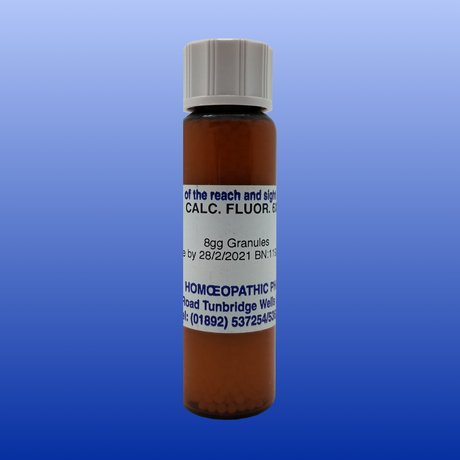
1. Calcarea fluorica (Calcium fluoride)
Associated with structure and elasticity.
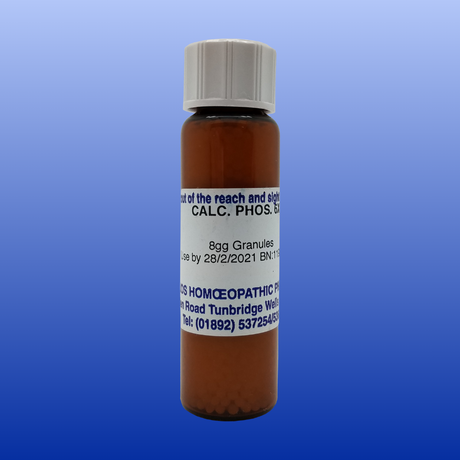
2. Calcarea phosphorica (Calcium phosphate)
Associated with growth and repair.
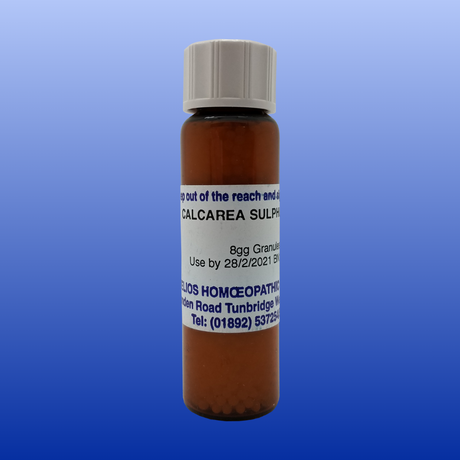
3. Calcarea sulphurica (Calcium sulfate)
Associated with cleansing and renewal.
4. Ferrum phosphoricum (Iron phosphate)
Associated with oxygen flow and circulation.
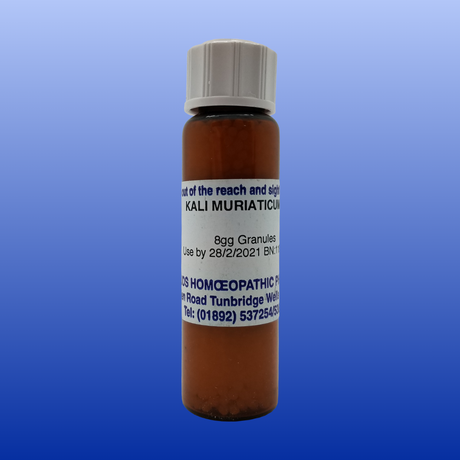
5. Kali muriaticum (Potassium chloride)
Associated with fluid balance and tissues.
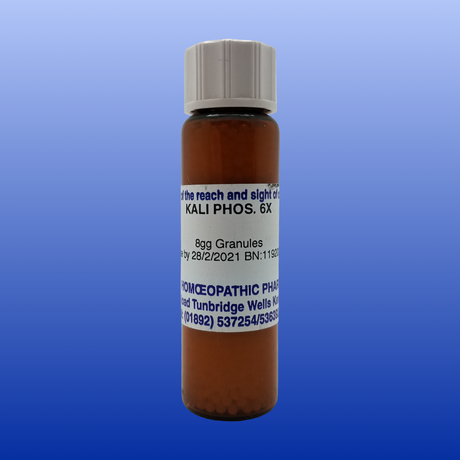
6. Kali phosphoricum (Potassium phosphate)
Associated with nerves and mental activity.
7. Kali sulphuricum (Potassium sulfate)
Associated with skin and surface tissues.
8. Magnesia phosphorica (Magnesium phosphate)
Associated with muscles and movement.
9. Natrum muriaticum (Sodium chloride)
Associated with fluid regulation.
10. Natrum phosphoricum (Sodium phosphate)
Associated with acid-alkaline balance.
11. Natrum sulphuricum (Sodium sulfate)
Associated with elimination and water movement.
12. Silicea (Silica)
Associated with connective tissues and structure.
How Cell Salts Are Traditionally Used
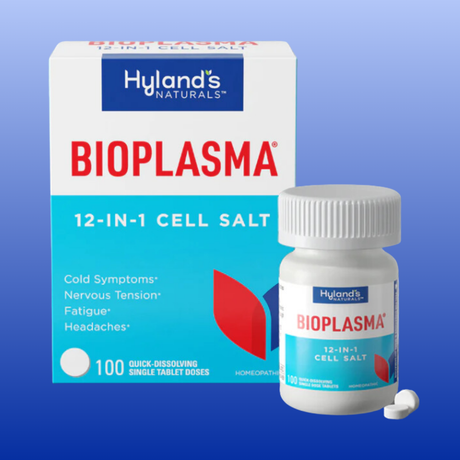
Cell salts are usually taken as small tablets that dissolve under the tongue. They’re often used one at a time or combined into formulas. They are typically available in lactose-based tablets due to the technique used to prepare them, which involves physically grinding powders. Lactose is used as a powder diluent.
Some people use them based on physical traits or patterns. Others use them as part of a broader wellness routine.
They’re popular because:
• They’re easy to take
• They’re gentle
• They don’t taste like much
• They don’t require complicated dosing
• They’re often used long term
They’re commonly used by people who already work with homeopathy or holistic practitioners. Others use them because they like the idea of subtle support rather than strong interventions. In practice, people choose a cell salt based on personal patterns, constitution, or traditional associations.
Cell Salts vs. Mineral Supplements
This is one of the most common points of confusion.
A mineral supplement provides a measurable amount of a mineral. For example, a calcium tablet might provide 500 mg of calcium, while a cell salt contains a very small amount of the mineral compound in homeopathic form. The purpose is different.
Mineral supplements aim to provide nutrition.
Cell salts are traditionally used to support how the body handles minerals.
They’re not interchangeable. And they’re not used the same way. Someone might use both, or neither. It depends on their approach and guidance from a practitioner. For example, someone may take an iron supplement if a blood test shows that they are low in iron, while also using the Ferrum Phos cell salt to support the body’s ability to utilize iron.
Cell Salts vs. Other Homeopathic Remedies
Another common question is how cell salts differ from regular homeopathic remedies like Arnica or Belladonna. Traditional homeopathic remedies are chosen based on symptom patterns and individual response. They’re often selected after detailed observation of physical and emotional traits.
Cell salts are more focused on mineral patterns in tissues rather than the “like treats like” principle behind homeopathy. They are usually simpler and easier for beginners.
You can think of them like this:
General homeopathy = highly individualized
Cell salts = more system-based
That’s a rough comparison, but it helps explain why people sometimes start with cell salts when they’re new to homeopathy.
How They Are Prepared
Cell salts are made using standard homeopathic methods. The mineral compound is ground with lactose (milk sugar) in stages to dilute and energize it. This process is called trituration.
Most cell salts are prepared at the 6X or 6C potency, which means they are diluted six times according to homeopathic standards. They are then formed into small tablets. The tablets dissolve easily in the mouth and are typically taken away from food or strong flavors.
Why People Are Drawn to Cell Salts
People often feel curious about cell salts because they sit at the intersection of chemistry and homeopathy. Their symptom pictures are easier to understand compared to more complex remedies. There is scientific data available about how the cells use each chemical salt.
Some reasons people like them:
• They feel gentle
• They’re simple to use
• They don’t feel “medicinal”
• They’re easy to carry
• They don’t require complex diagnosis
• They fit into daily routines
What Cell Salts Are NOT
This part is important.
Cell salts are not:
• Vitamins
• Mineral supplements
• Medications
• A substitute for food
• A cure for disease
• A replacement for medical care
They are part of a traditional system of homeopathy. They’re not meant to diagnose, treat, cure, or prevent disease. If someone is dealing with a serious condition, obtaining appropriate medical care in a timely fashion is important and shouldn’t be delayed. Luckily, cell salts have no known side effects or drug interactions, so they can complement conventional care if its needed.
How People Choose a Cell Salt
There are a few common ways people decide which cell salt to use.
Some work with a practitioner trained in homeopathy or holistic systems.
Some use reference guides (websites, books, etc.) based on traditional patterns.
Some use combination formulas that include multiple salts.
Others rotate them based on seasons or life stages.
There is no single “correct” way. Traditional use varies by school of practice.
Because cell salts are mild and gentle, people often experiment slowly and observe how they feel over time.
Combination Cell Salt Formulas
In addition to single salts, many companies offer blends. These formulas may combine several cell salts that are traditionally grouped together.
For example, there are traditional formulas associated with:
• Daily balance
• Muscles and movement
• Skin and tissues
• Nerves and stress patterns
• Structural support
Combination formulas are popular because they’re easy. Instead of choosing one salt, you take a blend.
Cell Salts and Daily Life
People often incorporate cell salts into routines like:
• Morning wellness habits
• Bedtime rituals
• Travel kits
• Workday stress support
• Seasonal transitions
They’re usually taken as small tablets that dissolve slowly in the mouth.
Because they’re subtle, people don’t expect an immediate or dramatic effect. They’re more about consistency than quick changes.
Safety and General Use
Cell salts are widely considered gentle and non-toxic due to their high dilution.
Still, they’re not meant to replace professional care.
Anyone who is pregnant, nursing, taking medications, or managing health conditions should check with a qualified professional before adding new remedies.
Final Thoughts
Cell salts occupy an interesting place in holistic traditions. They blend ideas from mineral chemistry with homeopathic preparation methods. They’ve been used for generations and continue to be part of modern wellness routines. They work gently to support the body’s natural processes rather than force change.
If you’re curious about homeopathy but unsure where to start, cell salts are often an excellent entry point. If you already work with holistic medicines, they may be one more option to explore. As with any wellness approach, the most important things remain the basics: food, water, rest, movement, and good medical care when needed.