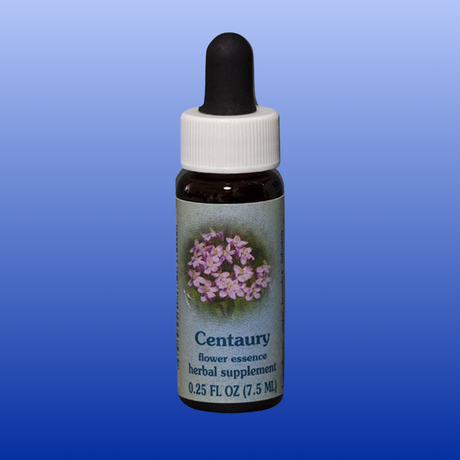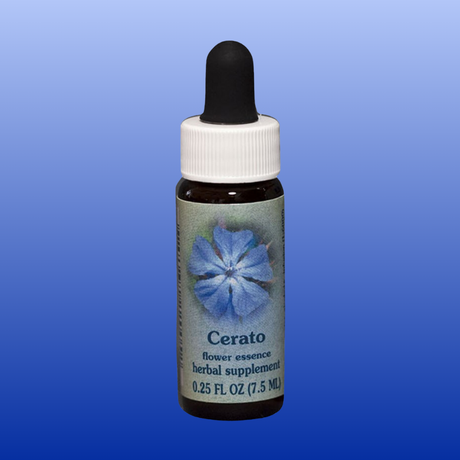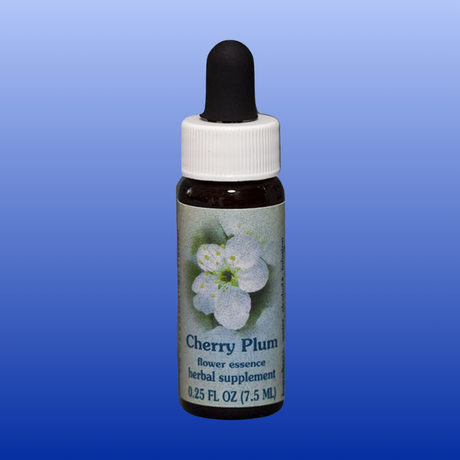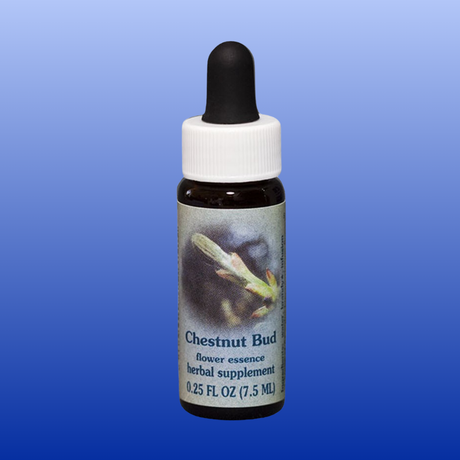

You might have seen a small bottle labeled “Rescue Remedy” at your local natural health store or maybe someone once mentioned taking a flower essence during a stressful time. But what exactly are flower essences? How are they made? And how do you know which one to choose?
Flower essences are subtle, plant-based remedies used to support emotional and energetic well-being. They’ve been around for nearly a century, and while they often get confused with essential oils or herbal tinctures, they’re actually something quite different and unique.
In this post, we’ll cover what flower essences are, how they’re made, what they’re commonly used for, and how to choose and take one for yourself or someone you care about. We’ll also take a quick look at where this practice started and why it continues to have a dedicated following today.
What Are Flower Essences?
Flower essences are liquid extracts made from fresh flower blossoms (with the exception of Rock Water). They are used to support balance in the emotional and energetic realms rather than physical symptoms. They contain no scent, no essential oils, and no plant material in the usual sense, yet they’re considered by many to be powerful tools for gentle self-care. The key idea behind flower essences is that each flower carries a unique vibrational quality. When a flower is placed in water and exposed to sunlight, that water is thought to retain the energetic imprint of the flower. This "essence" is then preserved and diluted to be used in dropper bottles.
People often turn to flower essences during times of transition, stress, uncertainty, or emotional overwhelm. They're not typically used to address physical illness directly. Instead, they’re used as a way to support one’s mood, outlook, spiritual progress, or sense of inner steadiness.
A Brief History of Flower Essences
The modern flower essence tradition began in the early 20th century with Dr. Edward Bach, a British physician, bacteriologist, and homeopath. Dr. Bach was deeply disillusioned with the limitations of conventional medicine in treating the whole person. He believed that emotional imbalances could influence physical health and that addressing the emotional state directly could bring about greater overall well-being.
Around the 1930s, Dr. Bach left his London practice and began exploring the countryside in Wales and England. He began experimenting with flowers, observing their effects on emotional patterns, and developing a method to extract what he believed to be the plant’s energetic signature. Dr. Bach created 38 individual flower essences and one combination remedy (now known as Rescue Remedy) to be used during acute emotional stress. His original system, known as the Bach Flower Remedies, is still widely used today and has inspired many other flower essence systems around the world.
How Are Flower Essences Made?
The process of making flower essences is gentle and simple, but highly intentional. Here's a general overview of how they’re made:
- Fresh blooms are collected at their peak, typically in the morning on a sunny day.
- The flowers are floated in a glass bowl of pure spring water and placed in direct sunlight for several hours.
- During this time, the water is believed to capture the energetic imprint of the flower.
- The flowers are then removed, and the infused water is mixed with brandy or another natural preservative to create the “mother essence.”
- This mother essence is then further diluted to create stock and dosage bottles for use.
It’s worth noting that this process doesn’t involve distillation, extraction, or pressing. Unlike essential oils or herbal tinctures, flower essences contain no plant chemicals, just the vibrational essence of the flower in water. Some flower essence makers use a boiling method instead of sunlight for certain types of plants. The idea is the same: to imprint the water with the flower’s subtle energetic pattern.
What Do Flower Essences Do?
Flower essences are used to support emotional, mental, and spiritual well-being. While they aren’t meant to treat or diagnose any condition, many people use them to help stay centered during times of stress, loss, change, or uncertainty.
Each flower essence corresponds to a particular emotional state or pattern. For example:
- Mimulus is traditionally associated with fear of known things — like public speaking or flying.
- Larch is linked with confidence and self-worth.
- Clematis is used when someone feels dreamy, distracted, or disconnected.
- Rescue Remedy is a combination formula often used in times of acute stress or shock.
Practitioners who use flower essences believe that when the right remedy is chosen, it gently brings awareness to emotional patterns, helping the person shift or soften the experience. Because they’re so gentle, flower essences are often used by people of all ages, including children and animals. They don’t contain any measurable plant compounds, and they can be used alongside other wellness practices without known interactions.
How Do I Choose a Flower Essence?
There’s no one right way to select a flower essence. Some people choose intuitively. Others read through descriptions or work with a trained practitioner to select a custom blend. Here are a few ways you can choose one for yourself or someone else:
1. Read Flower Descriptions
Start by reading short profiles of common flower essences and see which one resonates. Pay attention to what emotional patterns come up for you. Not just the ones you think you should address, but the ones you actually feel. Many people report an immediate sense of recognition when reading about the right essence.
2. Use a Flower Essence Questionnaire
Some brands and practitioners offer questionnaires or charts that guide you through the selection process. These can be helpful if you’re overwhelmed by options or want to focus on a particular area, like grief, decision-making, or boundaries.
3. Observe Emotional Patterns
Ask yourself:
- What emotion am I experiencing regularly?
- Is there a thought I can’t let go of?
- Do I feel stuck, unsure, overwhelmed, numb?
Then look for flowers that align with those patterns. For example, someone feeling emotionally heavy and burdened might be drawn to Elm, while someone feeling emotionally raw and exposed might resonate with Walnut or Yarrow.
4. Try a Combination Formula
If you're not sure where to start, combination formulas like Rescue Remedy offer a gentle introduction. These blends are designed for broad, situational support and can be useful in moments of emotional intensity.
How Do I Take a Flower Essence?
Taking a flower essence is simple and flexible. Here are some common methods:
1. By Mouth
Place 2–4 drops directly on the tongue or in a small glass of water, and sip throughout the day. You can take the drops as needed or follow a set schedule (such as 4 drops, 4 times per day).
2. In Water Bottles
Add several drops to a water bottle and drink it over time. This is helpful if you want continuous exposure throughout the day.
3. Topical Use
Some people apply flower essences to pulse points, the forehead, or behind the ears. They can also be added to baths or used in sprays.
4. In Custom Blends
Practitioners may create a custom formula using several essences at once, tailored to your emotional state. These are usually taken as a daily practice over several weeks.
Flower essences are not about fast results. They work best when taken consistently and with self-awareness. Journaling or quiet reflection while using them can help you notice shifts in your emotional landscape.
Final Thoughts
Flower essences are a gentle, plant-based modality with a long history and a devoted following. They’re not a treatment or cure for any condition, but they offer a subtle way to work with emotional and energetic patterns.
Created nearly a century ago by Dr. Edward Bach, flower essences continue to be used by people seeking balance, clarity, and emotional insight. Whether you're drawn to them during times of stress, curiosity, or personal growth, they offer a quiet invitation to listen more closely to yourself.
Choosing and using a flower essence can be as simple as reading a description and following your intuition — or as in-depth as working with a practitioner who helps guide you. Either way, the practice itself is about self-awareness and gentle support, not quick fixes.
If you're new to flower essences, start slowly. Read about a few, notice which ones speak to you, and explore from there.